While planning for the meeting, you need to have essential information in regards to both the CEO and the organization.





A recruitment process is a structured series of steps an organization uses to identify a hiring need, attract and assess candidates, make an offer, and onboard a new employee. A clear process helps hiring teams make consistent decisions and gives candidates a better experience.
The exact process varies by role, organization, and hiring needs. The seven steps below provide a practical framework that teams can adapt.
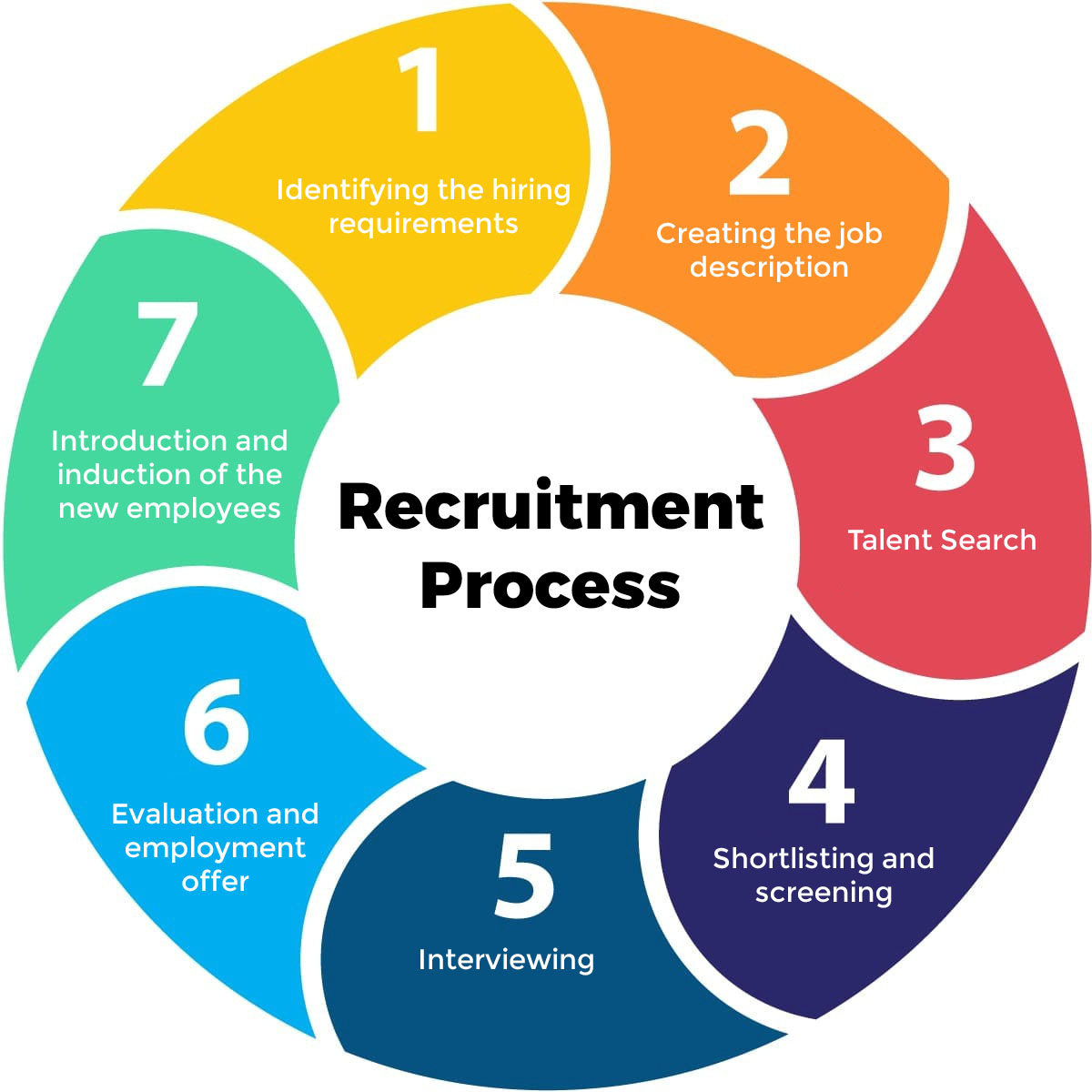
Start by confirming why the role is needed and what the new employee will be expected to achieve. The need may arise from business growth, a vacancy, a new project, or a skills gap within the team.
Before opening a role, consider whether the work can be covered through internal mobility, training, or a change in responsibilities. If hiring is the right option, agree on the role’s priorities, required skills, experience level, reporting line, and expected outcomes.
A clear job description helps candidates understand the role and helps recruiters assess applicants against consistent criteria. Describe the work accurately and separate essential requirements from skills that are preferred but not mandatory.
A useful job description usually includes:
Use clear, inclusive language and avoid requirements that are not necessary to perform the role.
Choose sourcing channels that are likely to reach qualified candidates for the role. These may include the company careers page, job boards, professional networks, employee referrals, talent communities, recruitment agencies, or direct outreach.
For specialist and leadership roles, targeted research and direct conversations may be more effective than relying only on job advertisements. Internal candidates should also be considered where their experience and interests align with the opportunity.
Review applications against the role’s essential criteria. Use the same screening standards for all candidates and focus on relevant skills, experience, evidence of results, and role requirements.
A practical screening process can include:
Applicant tracking software can help organize applications and communication, but hiring decisions should still involve appropriate human review.
Plan interviews around the skills and responsibilities identified in the job description. Structured interviews, with consistent core questions and evaluation criteria, make it easier to compare candidates fairly.
Depending on the role, assessment may include a phone or video conversation, a technical or job-related exercise, and meetings with the hiring manager or team. Any exercise should reflect the actual work and take a reasonable amount of the candidate’s time.
Share the interview format and expectations in advance. After each interview, record evidence against the agreed criteria rather than relying only on general impressions.
Compare shortlisted candidates against the role requirements and interview evidence. If references or other checks are part of the process, explain what is required and obtain the candidate’s consent where applicable.
When making an offer, clearly communicate the role, compensation, benefits, work location, reporting line, proposed start date, and any relevant conditions. Give the candidate a reasonable opportunity to review the terms and ask questions.
Hiring does not end when a candidate accepts an offer. Pre-boarding and onboarding help a new employee understand the organization, meet colleagues, access the tools they need, and get clarity on early priorities.
Before the start date, confirm the joining details, prepare equipment and access, share the first-day schedule, and identify a point of contact. During the first weeks, set role expectations, schedule regular check-ins, and make space for questions and feedback.
An effective recruitment process is clear, consistent, role-specific, and respectful of candidates’ time. Hiring teams can improve it by:
Speed can matter, but it should not replace careful assessment. A well-planned process helps teams make informed decisions while keeping candidates engaged and informed.
The right approach depends on the organization’s hiring volume, internal capacity, role complexity, and access to specialist talent. In-house teams may manage the full process, while an external recruitment partner can support specific stages such as market mapping, candidate sourcing, screening, or executive search.
Before choosing an approach, clarify responsibilities, communication expectations, candidate ownership, and how success will be measured. The organization should remain involved in selection decisions and the candidate experience.
For support with executive and senior-level hiring, learn about Shrofile’s recruitment services or discuss your hiring requirements.
The recruitment process is the set of steps an organization follows to identify a hiring need, attract and assess candidates, make an offer, and onboard a new employee.
The main steps are identifying the hiring need, defining the role, sourcing candidates, screening applications, interviewing, selecting and making an offer, and onboarding.
Recruitment focuses on attracting and engaging potential candidates. Selection is the process of assessing applicants and choosing the person who best meets the role requirements.
Define essential criteria before reviewing applications, use the same scorecard for each candidate, and record evidence related to the role rather than relying on general impressions.
Onboarding preparation can begin after the candidate accepts the offer. Confirm joining details, prepare access and equipment, and plan how the new employee will meet the team and learn their responsibilities.